
Travelling while being on a gluten free diet can be tricky. You don’t want to get sick and ruin your holiday, you want to try local foods and actually enjoy your experience.
My solution: research. A lot of it. Hours of research. Google sheets. Many bookmarks. Research is my happy place. (Check out my itineraries and gluten free guides if you don’t believe me!).
I’m a heavy planner when it comes to travel, especially when food safety is involved. These are the strategies that have helped me travel gluten free with more confidence. I’ve used these approaches across multiple trips in different countries, and they’ve made a huge difference in how safe and enjoyable my travels feel.
Who These Tips Are For
This is based on how I travel: very research-heavy, planned in advance, and focused on staying safe while still enjoying local food. If you need to eat strictly gluten free (whether due to celiac disease or intolerance), these are the strategies that have worked for me across multiple trips.
Gluten Free Tips Quick List
- Make your own breakfast
- Use a Gluten Free Restaurant card
- Request your airplane meal ahead of time
- Bring snacks
- Make a map
- Do your research
- Ask questions
- Helpful Gluten Free Resources
Gluten Free Travel Tips (Detailed)
Here are tips that have made travelling while gluten free (as a celiac) a little easier, with longer explanations and helpful links:
1. Make your own breakfast
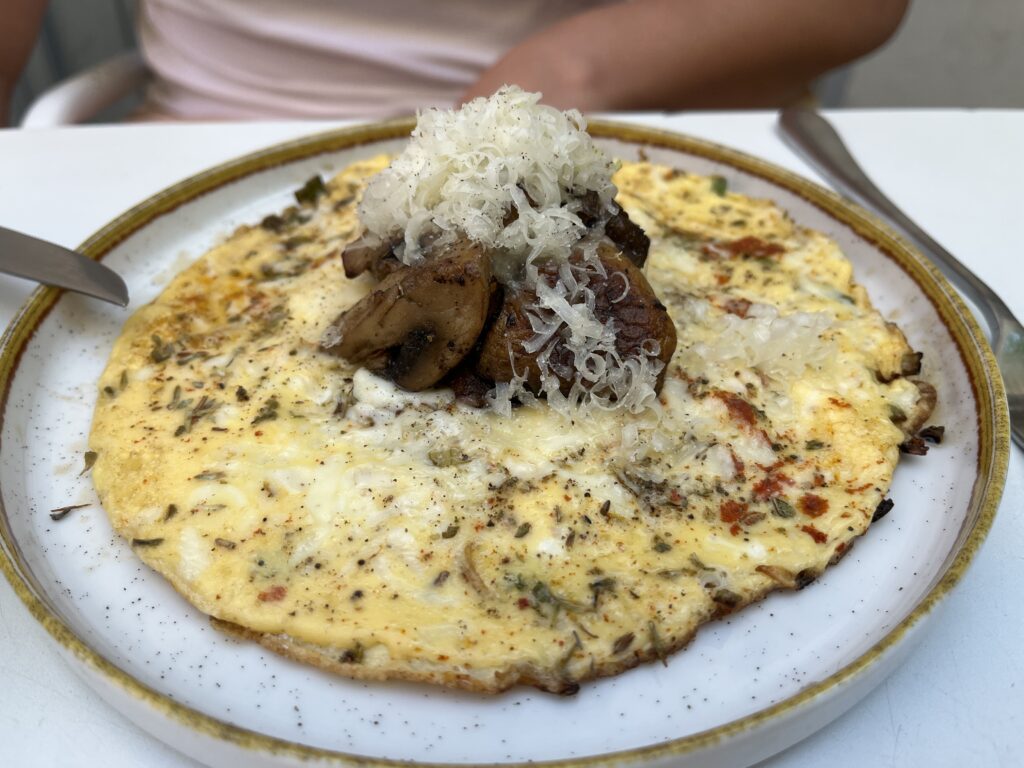
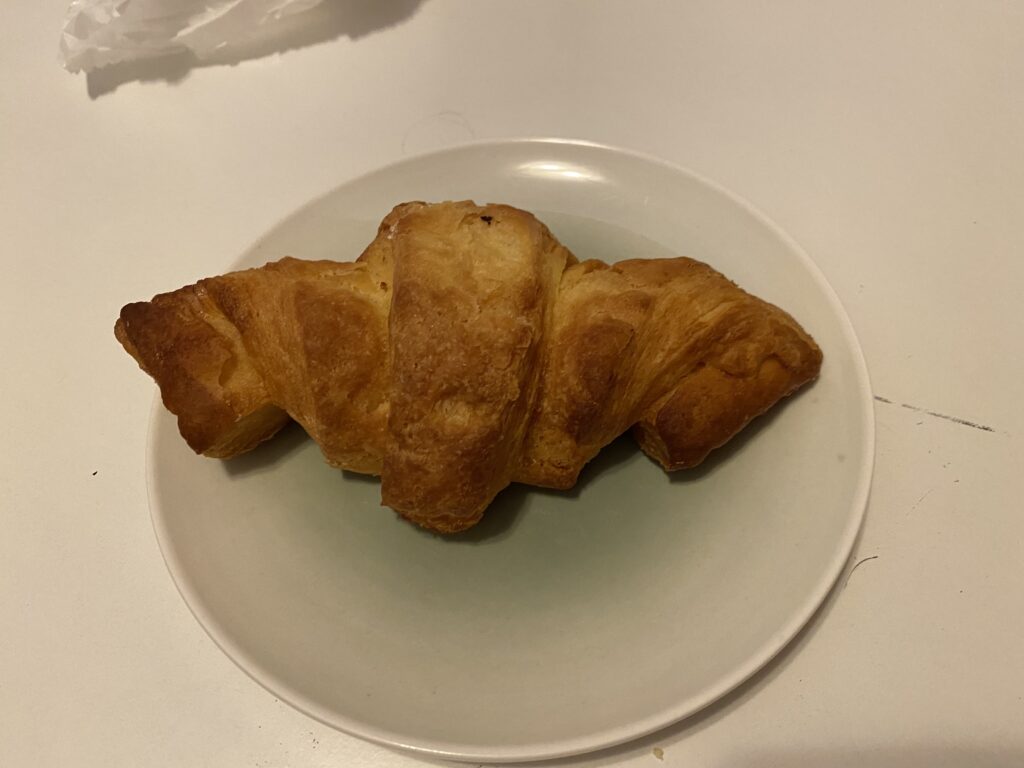
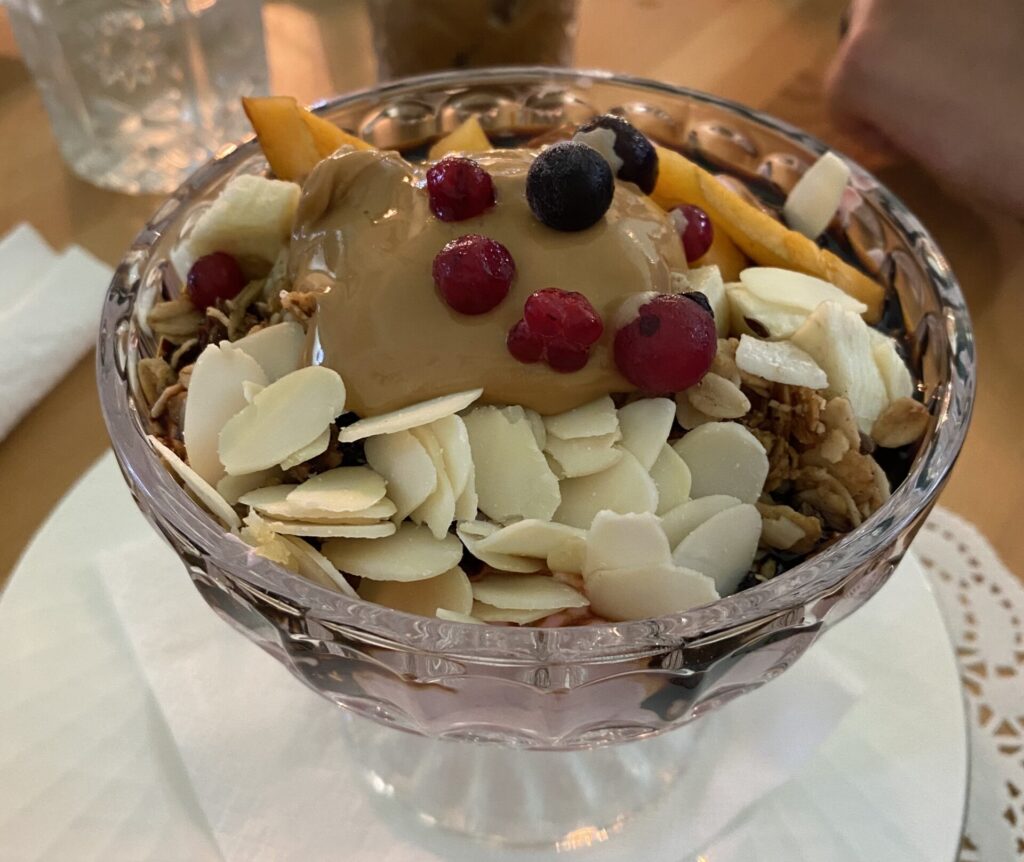
I find breakfast is the hardest meal to find gluten free options at a sit-down restaurant. At least, it’s hard to find fun options. Even something “boring” like yogurt usually comes with some form of granola, that’s not usually safe to eat. Sometimes you can get eggs, but I can make that myself for much less than a restaurant will charge me. So, if I’m staying more than 1 night, I try to book an AirBNB or a hotel room with a kitchenette. Then, I can just make my own breakfasts! Worst case: I need a mini fridge, a microwave, and a grocery store and I can usually come up with something that will work (think hardboiled eggs, microwavable oatmeal, or simple bread with peanut butter or cheese).
2. Use a Gluten Free Restaurant card
If you are unfamiliar with the local language, one of these Legal Nomads restaurant cards is well worth it! You can try to online translating tools, but Legal Nomads cards have used local translators to make sure you’ll be understood. (If you are familiar with the language, you likely don’t need one of these cards. Instead, you will need to be comfortable explaining your needs to restaurant servers.)
3. Request your airplane meal ahead of time
Don’t just get on your flight and assume you’ll be able to eat something. Either request the meal when you book your tickets or call the airline to request a gluten free meal. Usually, they require 48 hours’ notice. I’ve seen other gluten free eaters try to wing it, and the flight attendants usually don’t know the ingredients in the food options, so it’s a big risk trying one of the non-GF meals.
4. Bring snacks
Even if you request your gluten free plane meal ahead, mistakes happen. Sometimes, that special meal just doesn’t make it on the plane! Airports can be hit or miss with whether you can find something other than a bag of chips or beef jerky. Additionally, having snacks while you’re out and about exploring a new city can be a lifesaver. It’s the worst to be in an unfamiliar city, with a language you don’t speak, and be hungry and not able to think clearly while you try to find somewhere safe to eat. Even in destinations with good gluten free options, you won’t always find something quickly when you need it.
One of our favourite snacks to bring is protein bars, as they will fill you up. You can also bring trail mix, crackers, or anything else non-liquid (that includes no gels or peanut butter through security). Bring. Snacks!
5. Make a Map
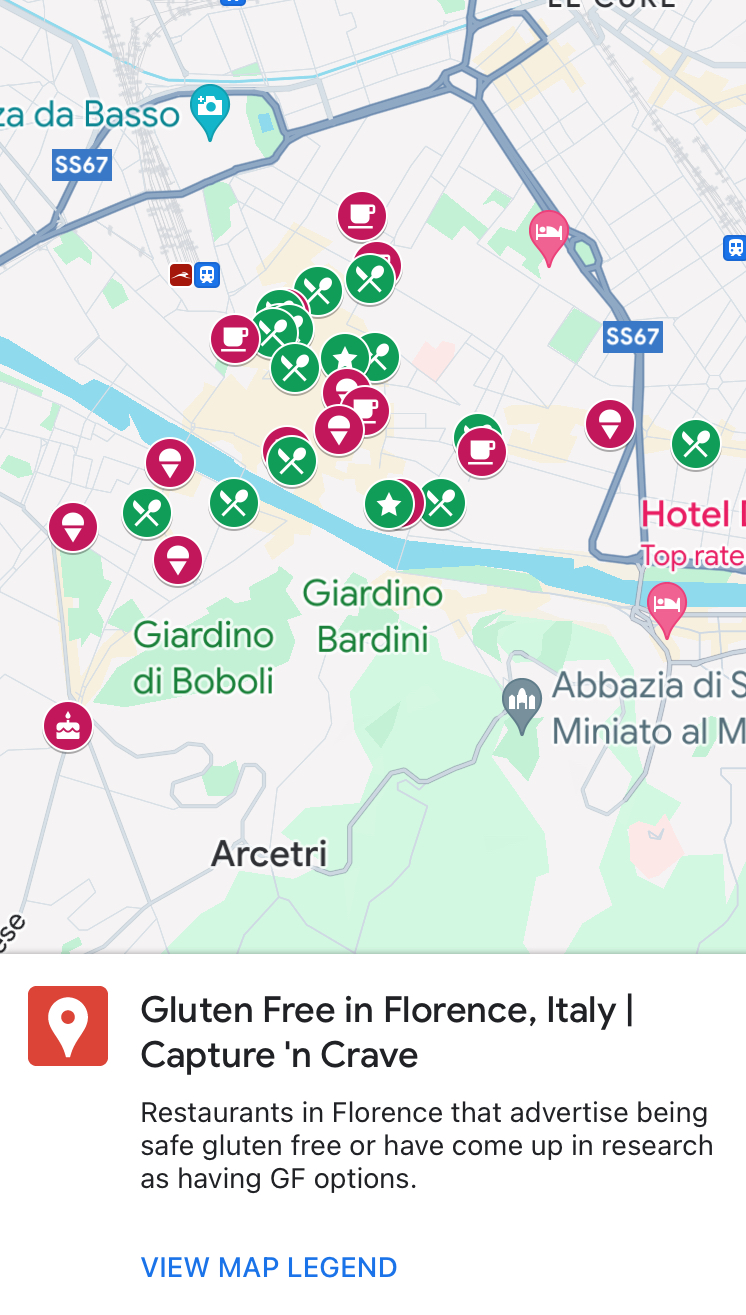
Personally, I love a good map so that I can just pull it up while hungry in the middle of a city and see what’s nearby that I have already vetted. You’ll put the restaurants/grocery stores you found during your research into your map (see tip #6).
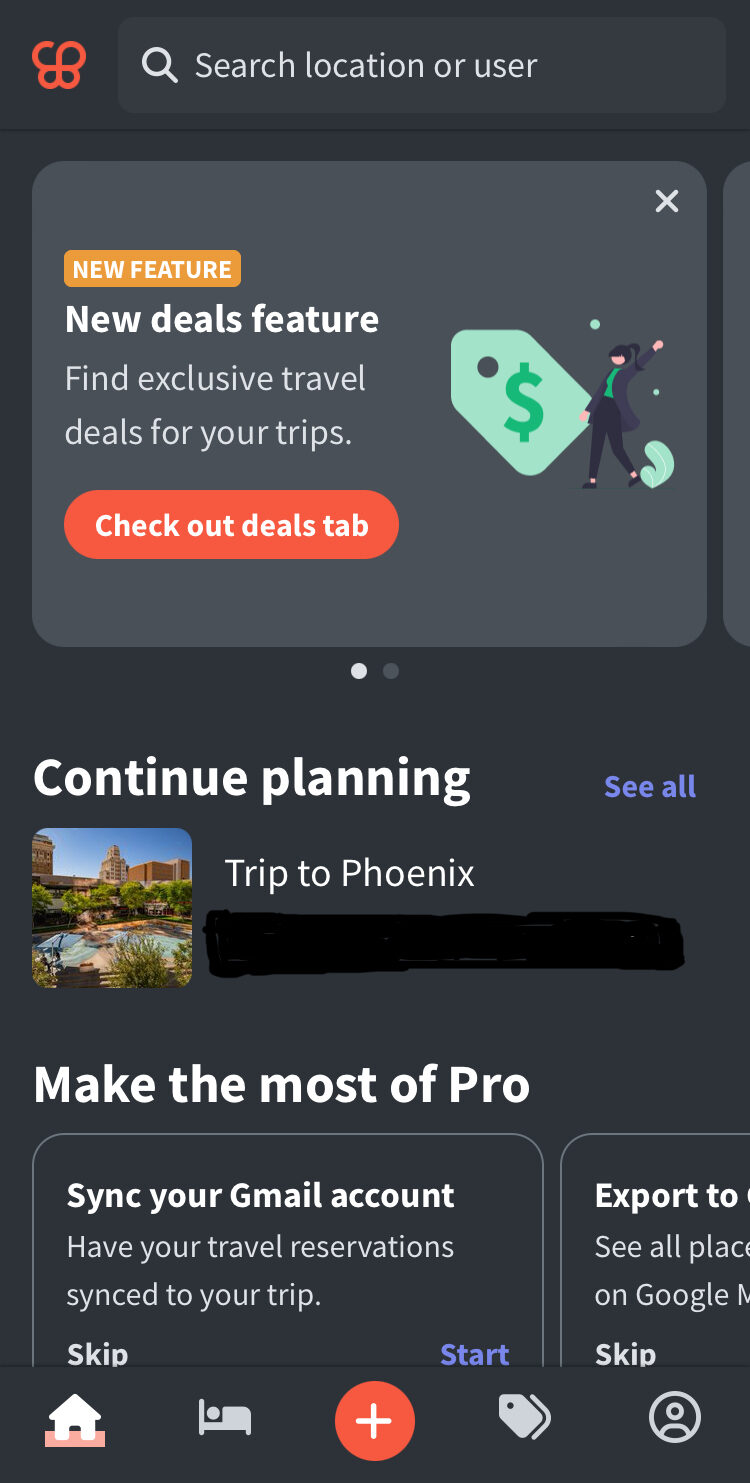
While Google Maps works great for some people, I personally love the WanderLog app as I find it works much better on the go. I like to sort my restaurant into categories like breakfast, lunch/dinner, and bakeries. Sometimes I’ll include grocery stores too.
*All my gluten free guides include custom maps you can use while travelling.
6. Do your research
This is the most important part of travelling gluten free. Search ahead of time for safe restaurants in the cities you’ll be visiting.
- I start by just Googling “gluten free *city name*” and I usually stumble upon some great gluten free blogs with restaurant options. However, I have noticed many guides are pre-COVID, so they can be outdated with restaurants that are no longer open or have changed their offerings.
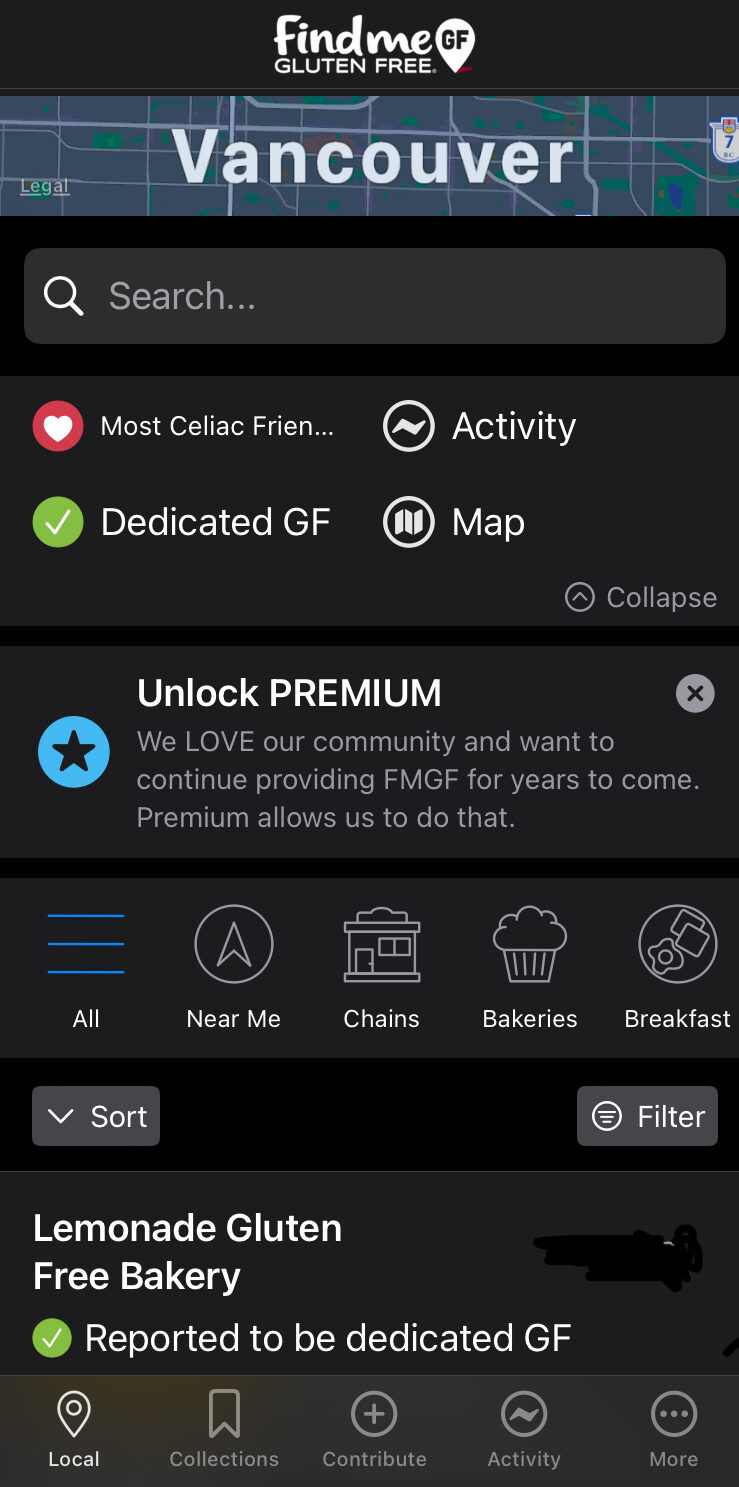
- Once I have a bit of a list, I start looking up each restaurant individually. I look to see if they have a labelled menu posted online, if they are on FindMeGlutenFree, and/or if they have any positive reviews from people who have also required gluten free meals, (also, are they still open?!). I use this to narrow down my list, only including places I would feel safe.
- If I have limited options, I will start looking into restaurants that have less information: restaurants where there are only one or two reviews, there are lots of reviews but no marked menu online, or there have just been so few options that I’m looking into any restaurants that have even a hint they might have gluten free options. For restaurants in this category, I will do my best to contact them ahead of time (I find email is best so you can translate if needed) to ask what my options are and what their protocols are.
In certain countries, they have very good protocols for being allowed to call their food “gluten free”. If this is the case, if a restaurant says they have safe gluten free food, I trust that I am safe to eat there. (For example, in Italy, restaurants with gluten free food are certified and trained by the Italian Celiac Association).
7. Ask Questions
If you want to stay safe, you have to be prepared to ask questions. Even if a place advertises gluten free options, it doesn’t always mean they are safe. Some places you just won’t be able to be as prepared ahead of time. You’ll have Googled for hours, scoured Find Me Gluten Free, and still come up with only one or two options. You might be wandering down the street and see a restaurant advertising gluten free. You may even get excited. However, if this restaurant was nowhere to be found during your search, you may need to ask some questions (Do they also serve gluten-containing food? If so, do they prepare the gluten free items in a separate area? Have a contaminated fryer? What are their gluten free protocols?). Never feel bad if you need to walk away from a restaurant if you don’t feel comfortable eating there.
Gluten Free Travel Guides by Destination
If you’re planning a specific trip, you can browse all of my gluten free travel guides here:
Helpful Gluten Free Travel Resources
Here are a few of my favourite blogs/sites to check out to help you with your gluten-free travels:
This is wonderful
Thank you so very much for your research – research-research!!!
It can feel overwhelming
Was thinking about a trip to Greece !!
I’m glad you found it helpful! I was quite worried about finding safe places to eat in Greece, but ended up having no issues thanks to MUCH planning ahead!